
A complete overview of why choosing an advanced, patient-first clinic is the most important decision for your long-term optical health.
Your eyesight is arguably your most important sense, connecting you to the world around you. When visual impairments like nearsightedness, farsightedness, or astigmatism begin to affect your daily life, finding the right medical facility becomes an absolute priority. Searching for the Best Eye Center in Lahore is a crucial step toward achieving visual freedom and safeguarding your ocular health. With numerous clinics operating in the city, distinguishing between standard care and exceptional, world-class treatment can be challenging for the average patient. At VisionPro, we are widely recognized as the Best Eye Center in Lahore because we have seamlessly integrated cutting-edge laser technology, internationally trained surgeons, and a deeply compassionate approach to patient care.
What sets a premier facility apart from a standard clinic? The answer lies in a relentless commitment to excellence across every single touchpoint of the patient journey. To be recognized as the Best Eye Center in Lahore, an institution must consistently deliver precise diagnostics, utilize minimally invasive surgical techniques, and uphold the highest possible safety standards.
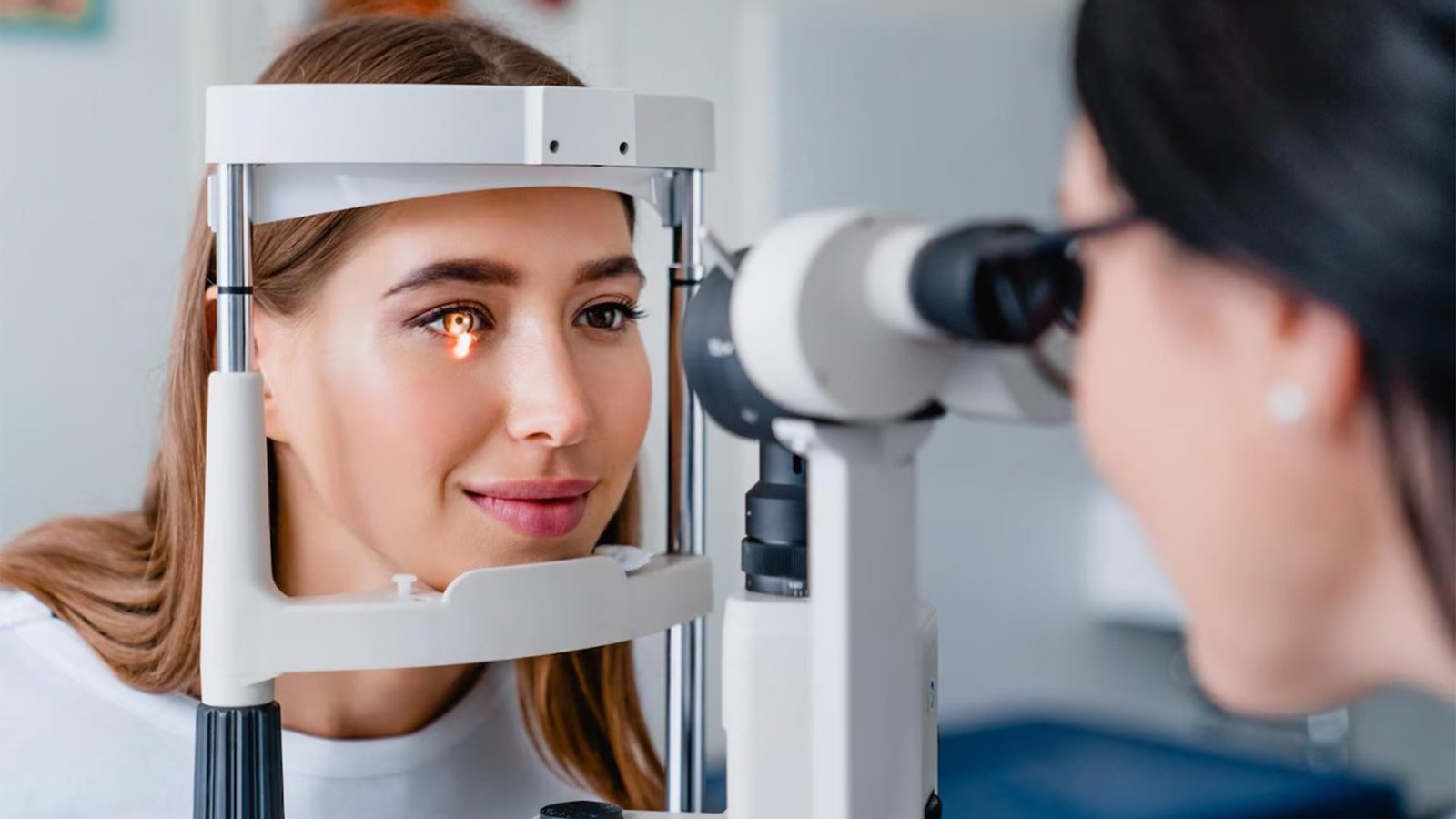
The foundation of any successful eye treatment is a flawless diagnosis. Before any surgical intervention is even discussed, the Best Eye Center in Lahore will conduct an exhaustive series of tests. We utilize high-resolution OCT (Optical Coherence Tomography) scanners, precise corneal topography, and digital wavefront analysis to create a microscopic, 3D map of your eye. This level of detail ensures that your treatment is perfectly customized to your unique anatomical structure, adhering to the strict diagnostic guidelines recommended by global authorities such as the American Academy of Ophthalmology.
State-of-the-art machinery is useless without the steady hands and vast knowledge of an experienced specialist. The Best Eye Center in Lahore must be staffed by board-certified ophthalmologists who have dedicated their careers to mastering refractive surgery. Our surgical team brings decades of combined experience, having performed thousands of successful SMILE Pro and FemtoLASIK procedures. By continuously updating their skills through international fellowships, our doctors ensure that you receive treatment that matches the highest global standards.
Every patient’s eyes are uniquely different, meaning a one-size-fits-all approach is never acceptable in modern ophthalmology. As the Best Eye Center in Lahore, we are incredibly proud to offer a vast array of comprehensive eye care services under a single roof, ensuring you do not have to visit multiple clinics for your treatment.
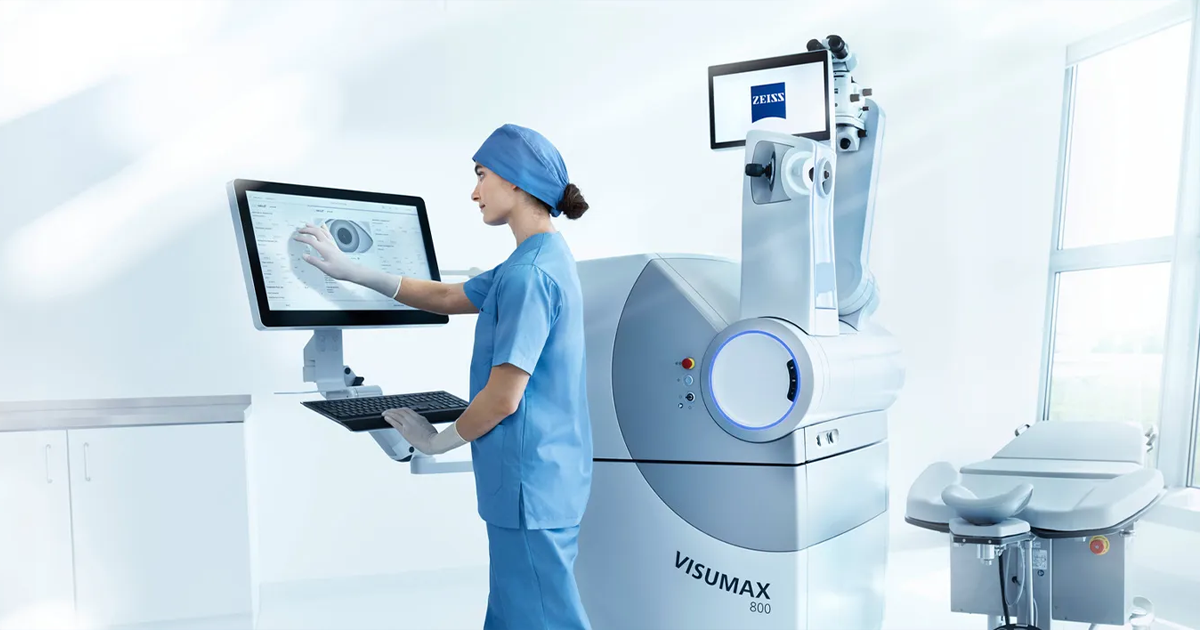
We heavily specialize in the revolutionary SMILE Pro procedure. Utilizing the ZEISS VISUMAX 800 femtosecond laser, SMILE Pro is a completely flapless, minimally invasive surgery that takes only about 9 seconds of laser time per eye. It preserves the biomechanical strength of the cornea and dramatically reduces the risk of post-operative dry eyes. Additionally, for patients whose specific refractive errors require different approaches, we offer entirely bladeless FemtoLASIK, advanced cataract extraction with premium intraocular lens (IOL) implants, and customized dry eye management protocols.
Surgical success is intrinsically linked to clinical hygiene and rigorous safety protocols. A defining trait of the Best Eye Center in Lahore is an uncompromising stance on infection control. Our operating theaters are equipped with sophisticated HEPA air filtration systems that maintain a sterile, zero-infection environment. We strictly follow the sanitation and surgical safety checklists established by the World Health Organization (WHO). Furthermore, we practice ethical medicine. If our advanced pre-operative scans indicate that you are not a suitable candidate for laser vision correction due to exceptionally thin corneas or underlying diseases, we will honestly advise against the surgery. We believe that protecting your vision is far more important than performing an unnecessary procedure.
Your relationship with your doctor does not end when you step out of the surgical suite. The Best Eye Center in Lahore is known for providing unparalleled post-operative support. After your procedure, our dedicated staff will provide you with a comprehensive aftercare kit, complete with specific medicated drops and protective eyewear. We meticulously schedule your follow-up appointments to monitor your healing progress closely. Because we utilize minimally invasive techniques like SMILE Pro, the vast majority of our patients experience a rapid recovery, returning to their normal daily activities, such as driving and working on computers, within just 24 to 48 hours with brilliant, clear vision.
Q: Why is VisionPro considered the Best Eye Center in Lahore?
A: VisionPro earns this title by combining the most advanced laser technology (like SMILE Pro and FemtoLASIK) with highly experienced, internationally certified surgeons and a strict adherence to zero-infection clinical protocols.
Q: What conditions can be treated at the Best Eye Center in Lahore?
A: We effectively treat a wide variety of optical issues including myopia (nearsightedness), hyperopia (farsightedness), astigmatism, presbyopia (aging eyes), and cataracts.
Q: Are the procedures painful?
A: No. We use specialized anesthetic eye drops before any procedure begins, ensuring that you feel absolutely no pain, only mild pressure during the brief laser application.
Q: How do I book a consultation at the Best Eye Center in Lahore?
A: Booking is incredibly simple. You can easily contact our specialists directly through our website to schedule your comprehensive diagnostic evaluation at a time that suits you.
If you are tired of relying on thick glasses or dealing with the daily hassle and irritation of contact lenses, it is time to take control of your visual health. By choosing a facility that prioritizes advanced technology, expert precision, and absolute patient safety, you are making an investment that will pay dividends for the rest of your life. Do not leave your eyesight to chance; trust the Best Eye Center in Lahore to guide you toward perfect vision. Schedule your personalized consultation with the expert medical team at VisionPro today and experience the world with breathtaking clarity.